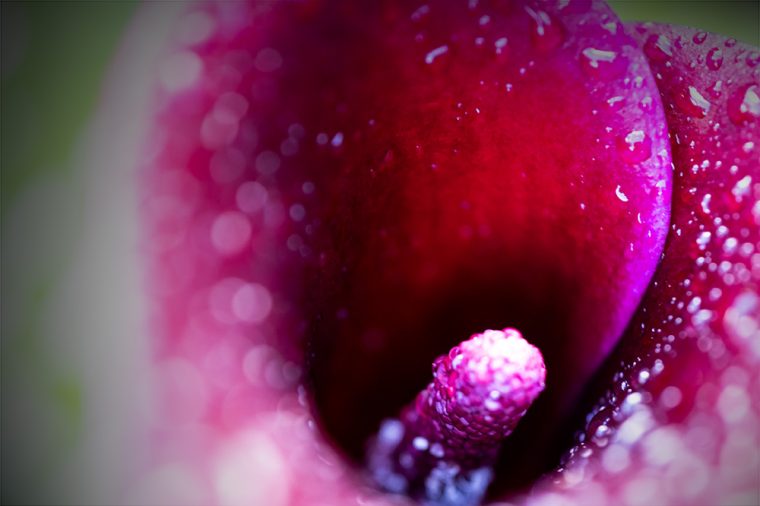
The first time I used a macro lens I thought the results were so bad. Seriously, I had no idea what I was doing. Let me show you one of those photos.
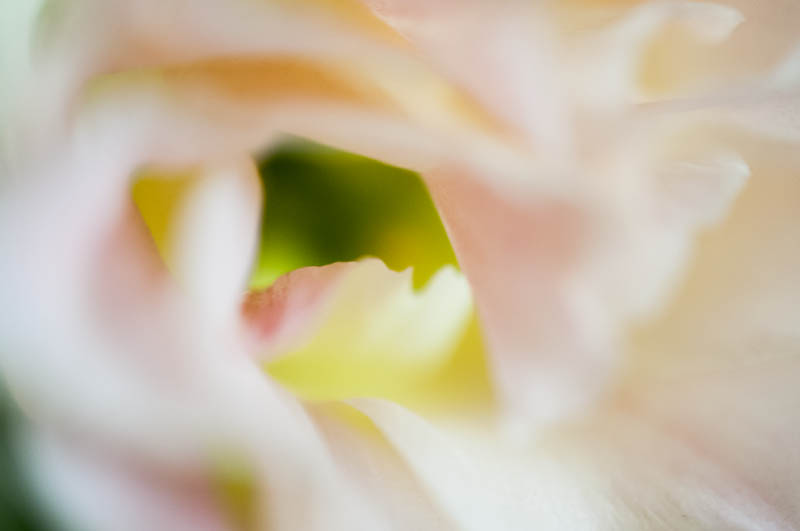
I just thought, yeah, shallow depth of field, whack it on f/2.8, and away I go. I had no idea that the depth of field for a macro lens would be so shallow. Thankfully, I did a post on it, and so many people reached out to me. They explained what I was doing wrong and what I needed to do.
That was back in 2014, and until recently, I rarely used my macro lens on an aperture bigger than f/13. I tried to keep it at that or smaller, but when I started using my tripod, I started playing around with aperture and depth of field more.
Not long after, I looked back at a class that I purchased from Kathleen Clemons, and she was talking about depth of field. I decided to try playing around with it a lot more. Before I show you the photos, I want to point out that the tripod really helps with doing these. Others might disagree, but I like it.
Here is the first one that was done at f/11.
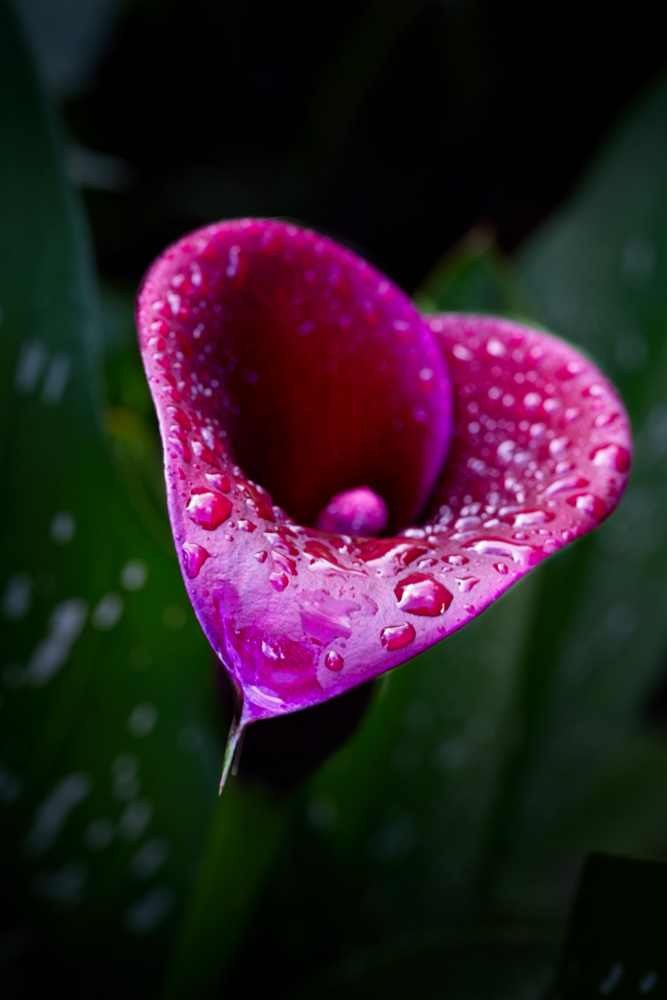
As you can see, a lot more of the flower is in focus.
Here is one taken at f/7.1.
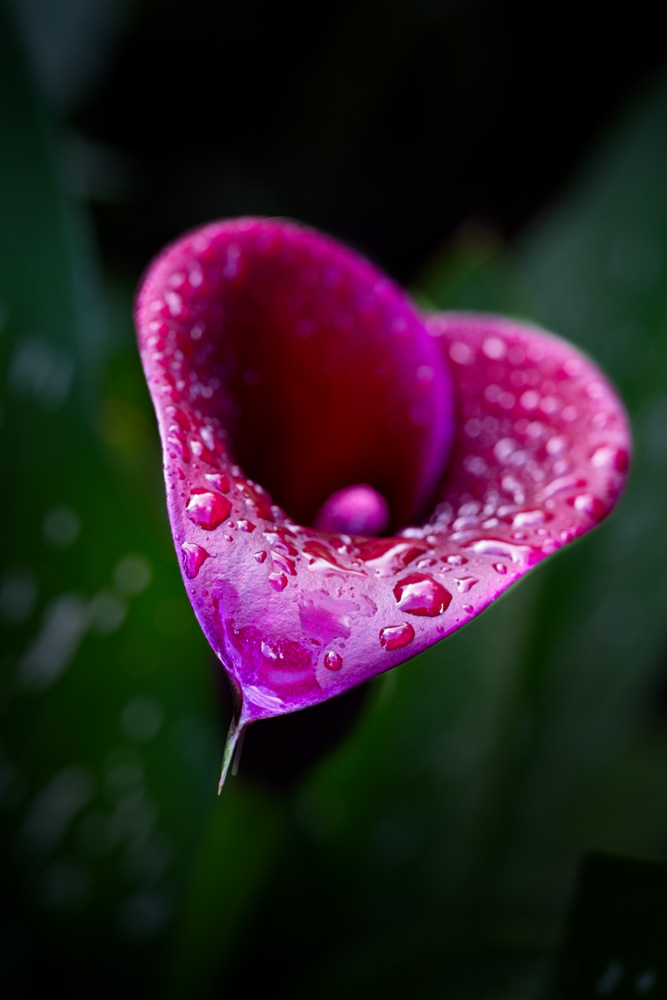
One thing you can really notice is how the background gets more and more blurred.
The final image is f/2.8, and there is not much in focus at all.

This last one has very little in focus. It makes you focus on just a small part of the flower.
I have been playing around with this a lot, so you will be seeing more in the next few weeks. Sadly, with all the heat we had recently, there are not many flowers in my garden to photograph. The extreme heat killed most of the flowers, but thankfully not the plants. Many plants ended up with leaves that got burned from the heat, but I think they will be okay.
I’m going to put the three images into a gallery so you can scroll through them and see the differences.